
How Much to Install 3D Wall Panels?
Installing 3D wall panelling is a great way to add depth, texture, and flair to homes and businesses. The average cost of installation is between $15 and $120 per square foot.
Most home projects cost between $25 and $70 per square foot, which includes supplies and labor. The total cost of installing a standard room is between $1,200 and $6,000. It depends on the materials, labor, size of the project, and where it is located.
Table of Contents
Overview of 3D Wall Panels Installation Costs
The average total cost for installing 3D wall panels is typically between $15-$120 per square foot. This wide range stems from multiple factors, including material type, surface finish quality, labor fees, project scale, and preparation requirements. Most residential projects cost between $25-$70 per square foot. These include materials and labor. And high-end commercial installations may exceed $120 per square foot.
For example, in a standard 100-square-foot living room project using mid-range materials. The total cost could be $1,200-$6,000, including materials and basic labor. Prices are primarily influenced by panel materials and installation complexity. Understanding these factors helps owners and contractors develop accurate budgets to avoid unexpected expenses.
Cost Breakdown by Material
Choosing the right materials has a direct effect on the final design and pricing of 3D wall panels. Based on market averages from 2025, here is the most up-to-date price guide for common materials. Depending on the kind, material expenses usually range from $2 to $40 or more per square foot. And the final cost of installation mostly depends on the choices of materials and labor.
PVC 3D Wall Panels (Most Affordable Option)
- Price: $10-$25 per square foot (about $108-$270 per square meter).
- Pros: Easy to install, waterproof, lightweight, suitable for beginners.
- Cons: Appearance not as natural as wood, may seem cheap in high-end designs.
PVC 3D wall panels are great for bathrooms and kitchens. Because they are weatherproof and stay stable over time. One real-life example is a modest apartment project where PVC was used to cover 30 to 40 square feet of wall. The whole thing costs approximately $400 to $800 to install, including glue and basic tools.
This makes it a great choice for people on a tight budget. Also, PVC is easy to cut and care for, which means you won’t need to hire professionals as often. However, it’s crucial to use well-known brands to make sure they last. They are the cheapest option, with installation costs usually falling in this region per square foot. They are also light and easy to install on your own.
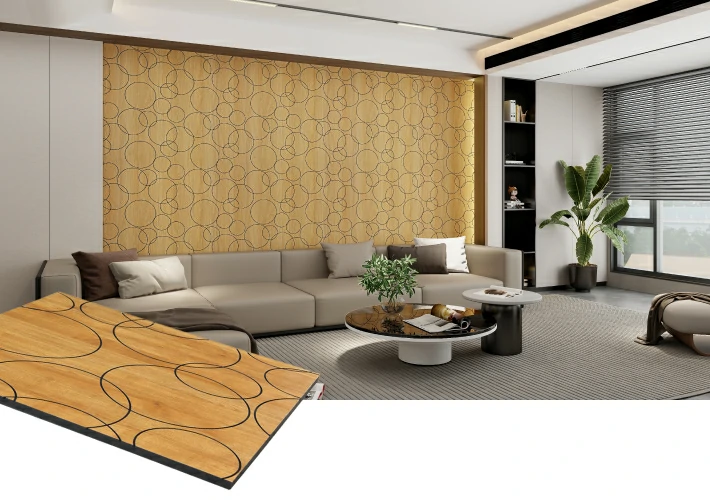
Unleash Creativity Aesthetic Versatility 3D Wall Panels
3D Wall Panels are more than static decor—they're dynamic elements that allow you to engage with your space...
View MoreMDF 3D Wall Panels (Mid-Range Choice)
- Price: $20-$50 per square foot (about $215-$540 per square meter).
- Pros: Good sound absorption, smooth surface, customizable colors.
- Cons: Sensitive to moisture, heavier than PVC.
MDF panels are very popular in dry places like living rooms, bedrooms, and workplaces since they are a fantastic deal. The cost of installation for a 20-square-meter job is usually between $3,000 and $5,000, which includes prep work. Painted MDF may look like expensive woods like walnut at half the price, making it a great choice for modern, stylish designs. But before putting it up, the wall needs to be dry to keep it from bending. It is a mid-range choice that works well in homes and offices.
Natural Wood 3D Wall Panels (Luxury Option)
- Price: $60-$150 or more per square foot (about $650-$1,615 or more per square meter).
- Pros: Authentic texture and warmth, durable, and increases property value.
- Cons: Requires more maintenance, needs professional installation skills.
Oak, walnut, or bamboo 3D wall panels are composed of natural wood. They are great for feature walls, hotel lobbies, or executive offices. They give a classic high-end look. Although the initial cost is relatively high, they can last for over 20 years. Furthermore, they can be refurbished multiple times, making them a sound long-term investment.
For instance, covering 50 square feet with oak panels for a business project. The cost is roughly $3,000 to $5,000, but it made the brand look better. Wood panels can also make the sound and insulation in a room better, but they need to be cleaned regularly to keep bugs away. It is a high-end pick that looks great and lasts a long time.

Material Comparison Table
| Material Type | Price per Square Foot (USD) | Ideal Uses |
| PVC 3D Wall Panels | 10–25 | Bathrooms, Rentals |
| MDF Panels | 20–50 | Living Rooms, Offices |
| Wood 3D Wall Panels | 60–150+ | Hotels, Luxury Interiors |
According to market data from 2025, over 60% of homebuyers select MDF or PVC. Because they are cheap and look beautiful. On the other hand, commercial users prefer wood since it lasts longer and looks better for their brand. This table makes it easy to compare things quickly, but you should choose based on how much space you have. Knowing how much PVC, MDF, and wood 3D wall panels cost will help you make smarter choices.
Labor and Installation Costs
The cost of labor is often the same as or more than the cost of materials. The cost of simple installation work will be $8 to $30 per square foot. For more complicated or custom work, the cost would be higher, at $40 to $100 per hour or $3 to $10 per square foot for standard work.
Professional installation makes sure that everything is perfectly aligned, matches the pattern, and stays stable for a long time. This is especially important for wood and MDF panels. Things that can affect the outcome are how well the walls are prepared (like leveling and priming), how complicated the design is (like built-in lighting), and the conditions of the site (like height and difficulty of access).
There are big variances between regions. In Asia, the cost of installation is roughly 80–150 RMB per square meter ($11–$21 per square foot). In North America and Europe, high-end custom installations can cost more than $250 per square meter.
In addition, a common mistake is not doing the preliminary work, which can add 10–20% to the cost. If you need to level the surface, apply primer, take down old wallpaper, or make little repairs to the wall, you may have to pay extra. If the wall has complicated patterns, high ceilings, or a lot of outlets and windows, it will take longer and cost more to accomplish the task.

DIY Installation: Pros and Cons Analysis
If you have the necessary tools and skills, you can save 40–60% on the cost of 3D wall panels by installing them yourself. If you know how to cut and glue things, PVC panels are easy to work with.
On the other hand, wood and MDF need to be measured very carefully so that no material is wasted. Seams that don’t line up, seams that are obvious to see, or damage from moisture are all common concerns with DIY crafts. It’s best to let the specialists handle big or feature walls if you’re not highly experienced.
For example, the owner of a DIY bedroom project saved $1,000 by using MDF. But they had to spend more time fixing little flaws, which highlights how crucial it is to plan.
In general, DIY is helpful for small jobs. But it’s best to hire a pro to make sure the job is done well and promptly. You can save 40% to 60% on the total cost by installing PVC panels yourself because you won’t have to pay for labor. You only need a level, a tape measure, and construction glue to put up PVC.
However, for large-scale projects or those involving expensive materials, it is advisable to hire professionals. They can ensure the quality of the work and prevent costly losses resulting from errors.
Method for Calculating Total Project Costs
Use the following formula to estimate total costs: Total Cost = (Material Price × Area) + (Labor Rate × Area) + Additional Fees.
- Measure the wall area (including 5-10% waste).
- Select material and labor types.
- Add hidden fees such as surface leveling, glue, transportation, or commercial permits.
For instance, a project to build a 20-square-meter MDF wall, including prep work and waste, costs around $7,000, or roughly $35 per square foot.
Cost-Saving Strategies
- Mix Materials: Use high-end wood on focal walls and MDF on others, saving 20-30%.
- Choose Standard Sizes: Reduce cutting waste.
- Plan Ahead: Complete all surface preparation before installation.
- Order in Off-Peak Seasons: Many contractors offer 5-10% discounts during low-demand periods.
- Local Sourcing: Lower transportation costs and support environmental sustainability.
These solutions come from what people in the sector know. For example, when the supply chain is tight, using local resources can save 15% on shipping costs. Using these can help projects run more smoothly. To get reliable estimates, you should get quotes from many qualified installers in your area.
Conclusion
Installing 3D wall panels is a cheap solution to make any room look better. The price depends on the quality of the panels and how they are installed. 3D wall panels will last a long time if they are installed and cared for properly. They are a great choice for homes and businesses since they look good and serve a purpose.
Frequently Asked Questions
What is the Best Surface for Installation?
A clean, dry, smooth surface, free of dust and debris, ensures a strong bond with the adhesive. Ideal surfaces like drywall or concrete walls provide the best adhesion, avoiding later detachment.
Can Wall Panels Be Used on Textured Surfaces?
Yes, but the effectiveness varies depending on the texture and wall panel type. It is recommended to consult the manufacturer’s guidelines. For rough surfaces, additional leveling may be needed to ensure even installation.
How to Prepare the Surface Before Installation?
Thoroughly clean with a damp cloth to remove dust and debris, and allow the surface to dry completely. Check the wall flatness. If there are uneven areas, use sandpaper or filler to repair, to prevent affecting the final result.
What Type of Adhesive is Recommended?
It depends on the product and surface. Please follow the manufacturer’s instructions. Typically, construction adhesive or specialized wall panel glue works best. And for heavy panels, it may need to be combined with screw fixing.
Can Wall Panels Be Painted After Installation?
Yes, but use paints compatible with the material. Check the manufacturer’s guidelines. And water-based or oil-based paints are recommended, avoiding solvent-based ones to prevent surface damage.
How to Ensure a Level Installation?
Use a level to mark positions, ensuring straight and even lines. Install in sections, starting from the bottom and working upward, to minimize errors.
What are the Benefits of Using a Specific Installation Method?
Different methods offer benefits in ease of use, durability, or aesthetic appeal. It depends on the product and desired outcome, such as glue installation being quick, while nail fixing is more secure.
Related Post
Share

Contact with us
※ We'll contact you within 24 hours. Check out the spam box in case that the mail is blocked.
Latest blog


How Many Acoustic Panels Do You Need for a Room?
August 10, 2026