
What Are the Disadvantages of Acoustic Wall Panels?
In modern life, noise pollution has become an important factor affecting the quality of life. It affects people’s concentration, productivity, creativity, sleep, and so on. As a result, acoustic wall panels have become the choice for many homes and workplaces.
However, as a specialized acoustic material, acoustic wall panels are not perfect. In this article, we will systematically analyze the main drawbacks of acoustic wall panels. It will help you fully understand the shortcomings of acoustic wall panels. We will also provide you with scientific strategies to help you use acoustic wall panels in a better way.
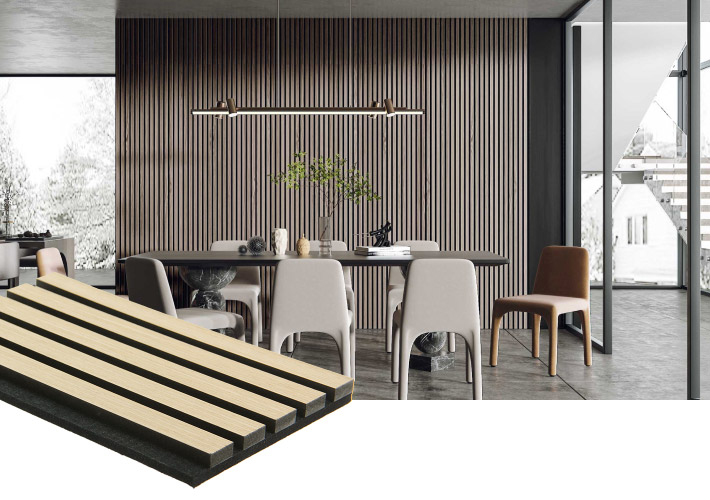
Low to No Maintenance Interior Acoustic Panels
In a world filled with noise, acoustic panels emerge as the elegant solution to create serene environments.
View MoreTable of Contents
Principles and Drawbacks of Acoustic Wall Panels
Acoustic wall panels are products designed to reduce reverberation (also known as echo) in interior spaces. They are usually large, porous materials that are carefully designed and placed in a room to reduce noise and echo.
There are many acoustic wall panel products on the market today. Depending on the material, it can include polyester fiber, foam, glass wool, wood perforated panels, and many others. However, sometimes there is a gap between the effectiveness of acoustic wall panels and what is expected. Much of this gap stems from a lack of awareness of the shortcomings of acoustic panels. These include the following points:
Frequency Absorption
Not all panels absorb sound equally across all frequencies. Most of them work well in the mid- and high-frequency ranges (like human voices above 500 Hz), but they have trouble with low frequencies (below 250 Hz), like the hum of an air conditioner or the sound of traffic. This stems from sound wave physics: longer low-frequency waves require thicker materials or specialized designs like bass traps to absorb effectively.
In real life, this implies that panels may quiet talks but not bass-heavy noises, which means that noise suppression is not comprehensive. In a study of office acoustics, standard panels reduced mid-frequency echo by 70%, but they only reduced low-frequency echo by 20%. This meant that hybrid solutions were needed.
Complicated Installation
Installing acoustic wall panels requires careful consideration of acoustics, structural integrity, and long-term stability. They are often heavy, demanding strong adhesives or mechanical fixings to prevent detachment, which could cause damage or injury. Improper installation can cause sound field imbalance and exacerbate echoes in untreated areas. For example, mounting walls too high or too far from reflection points.
Additionally, the weight of the acoustic wall panels is also an issue. Because of the large area installation on the wall, the load-bearing capacity puts forward high requirements. If there are problems such as poor fixing and later falling off, it may even lead to property damage. Therefore, the wrong installation position not only fails to improve the acoustic environment but also may cause the sound field to be unbalanced.
Cost
The initial cost of acoustic panels is high. This includes materials (often $5–$15 per square foot) and installation (up to $10–$20 per square foot for professionals). Maintenance costs should also not be ignored. Porous acoustic materials tend to accumulate dust. Fabric top layers can fade and deteriorate. All of this affects aesthetics and performance. So, acoustic panels need to be cleaned and maintained regularly to keep them looking their best.
On the other hand, COOWIN’s acoustic panels are easy to maintain and clean. In addition, investing in acoustic panels is usually worthwhile. It can have long-term benefits such as reducing noise, improving sound quality, and creating a more comfortable environment. You can also save money by choosing a cost-effective brand, such as COOWIN, or by doing a DIY installation.
Aesthetics
Acoustic panels can sometimes be difficult to match with existing decor. Conventional acoustic panels often have a single shape and limited colors. Therefore, they are in conflict with the aesthetics pursued by modern interior design. Common problems include: the color is not coordinated with the overall design, the surface texture is too industrial, and the shape is abrupt.
In addition, high-performance acoustic materials sometimes need to be wrapped in fabric. Therefore, it is difficult to realize complex shapes. Fortunately, COOWIN offers a wide range of colors and materials. So you can find the right combination for your interior design.
Durability
The service life of acoustic panels depends to a large extent on the material, the quality, and the environment in which they are installed. High-quality acoustic panels can last for 15–20 years if they are properly cared for. Less expensive acoustic panels, on the other hand, may suffer from problems such as material deterioration.
In addition, environmental factors such as humidity, temperature changes, and direct sunlight can also affect the durability of acoustic panels. For example, fabric facings tend to fade in direct sunlight. Therefore, it is important to choose the right acoustic panels for different spaces.

Common Problems of Acoustic Wall Panels
Some problems often occur during the use of acoustic panels. These problems may be caused by improper materials or installation. The following are some common problems and solutions:
| Problem | Possible Cause | Solution |
|---|---|---|
| Uneven Sound Distribution | Misplacement (e.g., too high or off reflection points) | Install at ear level (4–6 ft); use tools like mirrors to identify reflection points. |
| Minimal Improvement | Insufficient coverage | Cover 15–30% of surfaces; start with the first reflections and add as needed. |
| Inconsistent Absorption | Incompatible materials | Match materials to noise types (e.g., fiberglass for broadband). |
| Deterioration of Quality | Lack of maintenance | Vacuum or wipe monthly; choose moisture-resistant materials in humid areas. |
| Excessive Attenuation | Overuse of panels | Test incrementally; aim for balanced RT60 (reverberation time) of 0.5–1 second. |
| Panels Falling Off | Improper installation | Follow manufacturer guidelines; use mechanical fasteners for heavy panels. |
| Limited Frequency Range | Single material type | Mix different types of acoustic panels. This can help them absorb sound better over a wider frequency range. |
Acoustic Needs of Different Rooms
To solve acoustic problems, it is important to identify the problem and apply the right solution. For example, if the room echoes a lot, you should add acoustic panels or use acoustic panels that absorb specific frequencies.
Generally, the first step is to conduct a sound study to identify the bad spots in the room. Based on the results of the study, the number of panels and their placement are changed. Typically, different rooms have different sound needs. Example:
Home Theater
Home theaters require a good combination of sound absorption and diffusion. The goal of this is to make the sound experience feel real without making the room quiet.
Office
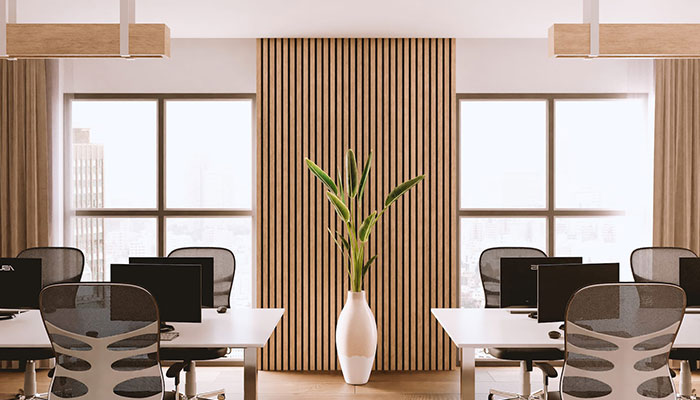
In general, offices need to reduce background noise. This helps people to concentrate. In addition, safeguarding privacy is an important goal. Therefore, ceiling partitions and acoustic wall panels are popular in office soundproofing solutions.
Restaurants
A restaurant is a place where customers enjoy their food. Therefore, restaurants have high requirements for controlling echoes and background noise. We can use a mixture of ceiling and acoustic wall panels to control background noise. A restaurant with acoustic panels installed can make dining a pleasure.

How to Choose Good Quality Acoustic Wall Panels?
A good acoustic panel absorbs sound well over a wide frequency range. In addition, it should be aesthetically pleasing, easy to install, and have a long life. The following is what you should pay attention to when choosing acoustic panels:
Sound Insulation Performance
The main index for assessing the performance of acoustic wall panels is the Noise Reduction Coefficient (NRC). NRC is the central measure of a material’s ability to absorb sound. It represents the percentage of sound absorbed by a product. Acoustic wall panels are typically rated with an NRC of 0.85 or higher. This means that approximately 85% of the sound waves hitting the panel will be absorbed rather than reflected back into the space.
Thickness
The thickness of an acoustic panel usually affects its sound absorption performance as well. In general, thicker panels absorb low-frequency noise significantly better.
Acoustic Wall Panel Material
There are various types of acoustic wall panel materials, including polyester fiber, foam, and wood. Different acoustic panel materials have different advantages and disadvantages. Consider these comprehensively when choosing acoustic wall panel materials. For example, polyester fiber panels are good at absorbing sound. Foam acoustic panels are low-cost but difficult to clean. Wooden acoustic panels are complicated to install and less durable.
| Material | Pros | Cons |
|---|---|---|
| Polyester Fiber | Eco-friendly, moisture-resistant, good NRC (0.85+), easy to clean. | Higher cost; less effective for very low frequencies. |
| Foam | Affordable, lightweight, good for highs. | Degrades in UV/humidity, potential off-gassing (VOCs). |
| Fiberglass | Excellent broadband absorption (NRC 0.95+), fire-resistant options. | Heavy, requires framing; dust/irritation during install. |
| Rockwool | Superior low-frequency handling, durable. | Heavier, more expensive; needs careful handling to avoid fibers. |
| Wood (Perforated) | Aesthetic appeal, natural diffusion. | Limited absorption without backing; complex install, less durable in moisture. |
Aesthetics
Choose acoustic panels in colors, textures, and styles that match your interior decor. This will not only meet the sound insulation needs but also play a role in decorating and beautifying the space. COOWIN’s acoustic panels are designed to be both functional and aesthetically pleasing, creating a quiet and comfortable environment for you.
Durability
Choose soundproof panels with reliable quality and stable structure. In addition, for places that may be affected by humidity, high temperatures, and other harsh environments, choose acoustic wall panels with good resistance to moisture and high temperatures.

Conclusion
Acoustic panels are an important tool for improving the acoustic environment of a room. However, it has disadvantages such as uneven frequency response, complicated installation, poor aesthetics, and limited durability. However, these drawbacks can be avoided by choosing the right brand, professional installation, and reasonable maintenance.
Use the comparisons and checklist above for better outcomes. When shopping for acoustic panels, consider multiple factors, including performance, cost, and aesthetics. If you need help, don’t hesitate to get in touch with us. COOWIN can provide the perfect solution for you.
FAQ
Can you hang a TV directly on an acoustic wall panel?
Yes, you may install a TV directly onto acoustic wall panels, but there are a few things to keep in mind. Firstly, make sure your acoustic panels have been in place for at least 24 hours. This ensures that the glue has had time to fully attach to the wall and is absolutely secure.
How long do acoustic panels last?
Under normal indoor conditions, quality acoustic panels can last from 7 to 20 years. It depends on the material, installation environment, maintenance regimen, and manufacturer. These values correspond to typical indoor applications with standard humidity and temperature.
Should I cover the whole wall with acoustic panels?
No, you do not need to cover the entire wall with acoustic panels. In most circumstances, covering 10% to 35% of the surface area provides adequate acoustic control. Strategic placement, particularly at first reflection spots, is more effective than full coverage, which can make a room sound “dead”. Full coverage is usually reserved for professional recording studios and crucial listening conditions.
What is the difference between a soundproof panel and an acoustic panel?
Acoustic panels are used to alter the quality of sound in a room, whereas soundproofing is used to prevent noise from entering or exiting the room. Acoustic panels reduce sound reflections and echoes, making rooms sound better. And soundproofing uses high-mass, airtight materials to prevent sound from passing through walls, floors, or ceilings.
Related Post
Share

Contact with us
※ We'll contact you within 24 hours. Check out the spam box in case that the mail is blocked.
Latest blog


How Many Acoustic Panels Do You Need for a Room?
August 10, 2026