
How Long Do 3D Wall Panels Last?
The longevity of 3D decorative wall panels varies greatly depending on the material. Basic PVC or MDF panels last 5 to 10 years, while high-quality wood, aluminum, or WPC panels last 20 years or more. The panels’ lifespan is also determined by things like how well they are installed, how much moisture and sunshine they get, and how often they are cleaned.
To choose the right wall treatments for certain uses and settings. You need to know what affects the longevity of 3D wall panels. This blog will explore different types of materials, influencing factors, and provide practical tips. This can help you make informed choices and achieve long-term value.
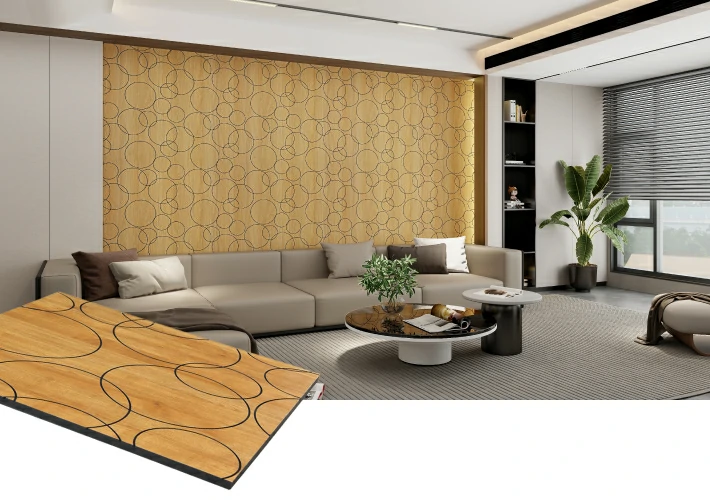
Unleash Creativity Aesthetic Versatility 3D Wall Panels
3D Wall Panels are more than static decor—they're dynamic elements that allow you to engage with your space...
View MoreTable of Contents
Types of 3D Wall Panel Materials and Their Durability
The kind of material utilized to make 3D wall panels has a big effect on how long they last and how good they look. Different materials have different levels of durability, how much upkeep they need, and how good they are for the environment.
| Material | Durability (Years) | Key Features |
| Solid Wood | 10-20 (Premium 25-30) | Natural aesthetics, durable |
| MDF | 10-20 | Cost-effective, smooth finish, prone to moisture |
| PVC/WPC | 15-30 | Moisture-resistant, durable |
| Bamboo Fiber/PU Foam | 10-15 | Eco-friendly, lightweight |
| Gypsum | 5-8 (Humid 3-5) | Fire-resistant, sound absorption |
| Aluminum Alloy | 50+ | Most durable, moisture and deformation resistant |
Solid 3D Panels
Solid wood panels are known for being strong and lasting a long time. With the right care, they can last 10 to 20 years. And excellent, solid wood can even survive 25 to 30 years in dry conditions. They also add a natural beauty that makes any room feel better.
MDF 3D Panels
Another common choice is MDF (medium-density fiberboard) panels. They last 10 to 20 years and are constructed of wood fibers and resin. They are a cheap option with a smooth finish, but they can expand when they get wet.
PVC and WPC 3D Panels
PVC and WPC 3D panels are strong and resistant to moisture, making them good for places with a lot of humidity. They endure for 15 to 30 years, but higher-quality PVC lasts longer than lower-quality choices.
Gypsum 3D Panels
Gypsum 3D panels are great for business buildings since they don’t catch fire and absorb sound. They usually last 5 to 8 years, but in humid climates, they may only last 3 to 5 years.
Not every 3D wall panel is the same. Panels that have been treated with fire-resistant and anti-mold coatings, for example, will naturally last longer. When selecting the appropriate panel material, you should consider more than just its appearance. Additionally, you should evaluate its performance characteristics, such as fire resistance rating and sound insulation effectiveness.
Reports from the industry say that WPC panels of excellent quality can survive 10 to 15 years longer than regular wood in humid places. A unique study indicates that using aluminum alloy or WPC in high-traffic commercial areas can reduce replacement frequency. In the long run, this can save money.

Key Factors Affecting the Lifespan of 3D Wall Panels
The quality of the materials, how they are installed, and the weather all affect how long 3D wall panels last. To get the most out of panels in different places, you need to know these things.
Materials and Processes
The lifespan of 3D wall panels is greatly affected by the quality of the materials and the way they are made. Materials of higher quality, like solid wood or strong WPC, last longer than those of lower quality. In addition, the way something is made is also very important. Good craftsmanship and attention to detail make things last longer.
Installation Method
To ensure 3D wall panels last a long time, it’s important to know how to install them. If you don’t install it correctly, the surfaces may not be even, there may be gaps, or it may come loose over time. Following the manufacturer’s instructions and using the correct adhesives and mounting hardware will help avoid these problems. Professional installation can help avoid problems like gaps or peeling. This can make the product last longer.
Environmental Factors
In addition, the lifespan of 3D wall panels can be affected by factors such as humidity, temperature changes, and exposure to sunlight. For instance, panels in places with a lot of humidity, like bathrooms or kitchens, may need stronger materials like PVC or WPC to hold up to moisture. Panels that are in direct sunlight may also need UV-resistant coatings to keep them from deteriorating. Temperature changes that are too extreme can also cause things to change shape or color.
Application Areas
Usage patterns and exposure to a lot of traffic are other important considerations in how long 3D wall panels last. Wall panels are more prone to damage in high-traffic areas such as hallways or stores. This is because people frequently touch them. Choosing panels with better durability ratings for these places can help them last longer. On the other hand, places that aren’t used as often could be able to use more ornamental but less durable choices.

Maintenance Practices to Extend the Lifespan of 3D Wall Panels
Taking care of 3D wall panels properly is a big part of making them last longer. Taking care of them on a regular basis might make them last longer and look better. By following proper maintenance practices, homeowners and businesses can protect their investment. This allows them to enjoy the comfort provided by 3D wall panels for years to come.
Regular Cleaning
To keep 3D wall panels looking good and in good shape, they need to be cleaned often. A gentle, dry cloth is all you need to dust most panels every day. You can use a moist cloth with mild soap to clean more thoroughly. But you should stay away from harsh chemicals or rough items that could scratch the panel surfaces. The environment determines how often you need to clean. For instance, panels in places with a lot of foot activity or that are exposed to more dust and grime may need to be cleaned more often.
Maintenance Methods for Different Materials
Different types of materials need different ways to be cared for:
- Polishing wood panels every so often helps keep their finish and protects the wood. Light sanding and refinishing can typically fix small problems with wood panels.
- You should check your MDF panels often for signs of water damage and fix any problems right away. You might need to patch up chips or cracks in MDF panels with wood putty and then repaint them.
- PVC and WPC panels are usually better at keeping moisture out. But you should check them every now and then to make sure they aren’t damaged or coming loose.
Fixing little problems right away is important to stop them from getting worse. You should quickly repair any loose panels to avoid more problems. Sealing seams can help keep moisture out even more. Proper maintenance of 3D wall panels can significantly extend their lifespan. This ensures they remain aesthetically pleasing and perform well for years to come.

Conclusion
It’s important to think about how long 3D wall panels will last and how much maintenance they will need before you buy them. The lifespan of these panels depends a lot on the materials used. The service life of decorative wall panels ranges from 5 to 10 years. High-quality WPC 3D panels have a lifespan exceeding 20 years.
COOWIN has a wide selection of high-quality 3D wall panels that are built to last in a variety of settings. You can make your wall panels last as long as possible by picking the proper material and having them installed by a professional. Regular maintenance that is particular to the panel material greatly increases its lifespan.
FAQ
What Is the Average Lifespan of MDF Wall Panels?
MDF wall panels typically last 10 to 20 years. It depends on material quality and environmental conditions. According to sources, high-quality options can reach 12 years.
How Do I Maintain My WPC Wall Panels to Ensure Longevity?
Clean regularly with a mild detergent and avoid direct sunlight. This helps extend the lifespan of WPC wall panels, which can last up to 20-30 years. Checking for signs of loosening is also important.
How Does the Quality of Materials Affect the Lifespan of Wall Panels?
The quality of materials significantly impacts the longevity of wall panels. High-quality materials like WPC 3D panels can last 20-30 years or more, while lower-quality materials have a shorter lifespan. Choosing certified products ensures durability.
Can I Install Wall Panels in Bathrooms or Kitchens?
Yes, certain types of 3D wall panels, like PVC or WPC, are suitable for bathrooms and kitchens due to their moisture resistance. However, it’s essential to follow proper installation and maintenance guidelines to prevent moisture damage.
What Are the Benefits of Using COOWIN Wall Panels?
COOWIN wall panels are known for their high manufacturing standards, special features, and warranty offerings. They provide long-term value and peace of mind for homeowners and businesses. Their WPC options average 20-30 years.
Related Post
Share

Contact with us
※ We'll contact you within 24 hours. Check out the spam box in case that the mail is blocked.
Latest blog


How Many Acoustic Panels Do You Need for a Room?
August 10, 2026